Yes you read it correct that Windows 8.1 is free for you to download and use, provided you have already paid for Windows 8. Although Windows 8.1 is Free for existing users of Windows 8, still downloading and installing another operating system does requires careful planning so that your data remains intact and you do not loose anything in transition from Windows 8 to Windows 8.1. This new version of Microsoft Operating System is going to attract more customers to upgrade from Windows Vista or Windows 7 to Windows 8.1.

Windows 8.1 New Feature on Start Menu

Windows 8.1 New Feature on Start Menu

Although new features of Windows 8.1 are still to be uncovered, but there are good chances that the new features of Windows 8.1 could have been released as Service Pack or something like that. Re-Installing an Operating System is not an easy task taking into consideration currently installed Desktop and Windows 8 Style Applications, Data, etc.

Windows 8 Apps

Windows 8 Apps

In case you are an existing Windows 8 user willing to download and install Windows 8.1, do take care of your existing applications and data on your Windows 8 computer. The good news for people willing to buy Windows 8.1 is that they do not need to wait for Windows 8.1 to get released and they can buy Windows 8 now and upgrade to Windows 8.1 totally for Free.


Recently Windows 8 was launched by Microsoft and now rumors are that a new version of Microsoft Windows Operating System is coming soon. Most probably the new Windows Operating System will be named as Windows 8.1 or Microsoft Windows Blue. There are even leaked version of the Windows 8.1 Pro Preview available for download somewhere on the Internet. There are even rumors that the Windows Start Menu will be available again and the new version of Windows 8 probably named as Windows 8.1 or Windows Blue will be announced by Microsoft at the end of June 2013. Have a look at the given below screenshot which displays a software application being run in compatibility mode of Windows 8 and other Microsoft Windows Operating Systems.

Windows 8 Compatibility Mode

Windows 8 Compatibility Mode

The above screenshot is from a Windows Operating System later than Windows 8 and hence in the Compatibility mode the Windows 8 is listed along with other older versions of Microsoft Windows Operating Systems. Windows 8.1 is expected to provide some extra features, newer version of Internet Explorer as displayed in the screenshot below, probably return of Start Menu Button in some way or another and of-course lots of other features.

Internet Explorer 11 with Windows 8.1 pro Preview

Internet Explorer 11 with Windows 8.1 pro Preview

As versions of Windows 8.1 appear on internet, they will give an insight into what’s coming into Windows 8.1 or they call it Windows Blue. From the history of Windows Operating Systems the author can say that almost all the applications that work on Windows 8 (Apart from Specialized Programs like Antivirus, etc) will wok fine on Windows 8.1.


Desktop Software Applications for Windows are normally provides as a downloadable setup. Even in Windows 8 store, you can search for Desktop Software Application but Microsoft’s store does not guarantees whether a Desktop Application is safe to download or not. Setup Applications normally require admin privilege and with admin access to our Windows computer an application can do almost anything on your Windows Computer. Size of the downloadable setup application can be also of a concern some time when you are using mobile broadband or something like it.

This post provides a really fast and safest way to find out what exactly you need without even downloading a setup and installing it on your Windows Computer. Yes Windows 8 does displays a Smart Screen Filter warning in case an application you are going to install is from an unknown or unverified publisher, but still not all software publishers are verified and it can be really difficult to assume whether a software download is safe or is best suitable for your job in hand.

Review Software Without Download

Review Software Without Download

Welcome to the world of Google Image Search where you can actually search for any software you want and review all it’s features to find out whether it is actually useful to you or not. Yes Google Web Search help you to locate the best possible software application as well, but the Image Search goes one step further and displays you the screenshots available for the software application. Yes you still need to narrow our search to words like free or freeware if you are looking for totally free application, still the Image Search can really save you time and efforts in locating the best Software Application for your desired purpose.

Instead looking for Software Applications which are portable or does not require an installation, you can simply browse through available software screenshots and download the software which actually fulfills your requirements. As now a days most of the software products are created with the help of multiple files, you can still find Software without Installer but most probably you would have to limit your desired functionality and choose from only a few software applications. To be extra safe, download the setup application, scan it with online virus scanner and be sure that you are not installing any malware or spyware on your Windows Computer.


Now you can Hide your Mouse Cursor anytime you want, without downloading or installing any software application. The method presented here in this post to hide the Mouse Cursor works well on Windows 8, Windows 7, Windows Vista, Windows XP and will work simply fine on the upcoming Windows Blue or Windows 8.1 Operating System. The trick in hiding your System Mouse Cursor is to use a blank mouse cursor. Every Mouse Cursor is associated with a hotspot which is basically a pixel location in the mouse cursor file which actually clicks. In order to hide your Mouse Cursor, you would need to create a new Mouse Cursor Scheme from the Mouse Properties of Windows Control Panel and use a Blank Mouse Cursor. The complete procedure to hide and restore your mouse cursor is outlined below. Open up Windows Control Panel and Open the Mouse Properties Control Panel Applet.

Mouse Properties from Windows Control Panel

Mouse Properties from Windows Control Panel

Once you have opened the Mouse Properties Control Panel Applet, navigate to the Pointers tab of the Mouse Properties as displayed in the Screenshot below. In the Pointer Tab, you would need to create a new Mouse Pointer Scheme in which all the Mouse Cursors will be hidden. Note from the screenshot below that all the Mouse Cursors are blank or empty and hence would be hidden from view.

Hidden Mouse Cursor Scheme

Hidden Mouse Cursor Scheme

Download the Blank Mouse Cursor File and use the Customize feature of the Mouse Pointer Scheme to create a new Hidden Cursor Scheme. Once you have created the Hidden Cursor Scheme by assigning the blank mouse cursor to every type of Mouse Cursor (e.g. Normal Select, Help Select, Working in Background, Busy, Precision Select, etc), you are ready to complete hide your Mouse Cursor.

Now anytime you want to hide your Mouse Cursor, all you need to do is select the Hidden Mouse Cursor Scheme from Mouse Properties of Windows Control Panel. Also whenever you want to revert back to the default Mouse Pointers Scheme, you can simply navigate to the Pointer Tab of Mouse Properties from Windows Control Panel and change the effective Pointer Scheme. When reverting back from Hidden Mouse Cursor Scheme, the information provided in Use Windows without Mouse can be really helpful as your Mouse Cursor will not be visible.

In case you would prefer to use a software to Hide and Show the Mouse Cursor, you can use the free Mouse Cursor Software which provides a graphical user interface to select Mouse Cursor and also provides way to revert back to original Mouse Cursor. All the information and software provided in this post works on almost all Windows Operating Systems starting from Windows XP to Windows 8 and will work for Windows Blue / Windows 8.1 which is scheduled to be released soon by Microsoft.


Secure File Delete

On April 30, 2013, in Windows 8, by admin

Deleting File(s) or Folder(s) Securely so that they are deleted for ever is a task done by specialized software applications. When you delete file on your Windows 8 or Windows 7 or any other Windows Operating System using FAT or NTFS File System, the files deleted either go to Recycle Bin or are deleted so that you cannot access them. Yes simple file delete actually does not deletes the bits and bytes stored on the hard disk. Windows Explorer simply makes the deleted file(s) un-accessible so that your hard disk space is available for other files, however the actual data is still lying on your physical hard disk.

File Deletion in Windows 8

File Deletion in Windows 8

There are lots of File Recovery Software Applications which recover already deleted files. When deleting files using Windows Explorer, the actual data of the file(s) deleted still remains on the hard disk and hence, these file recovery software applications are able to recover the deleted files. Depending on your method of search, you will find lots of freeware and shareware applications which together provide the functionality of recovering the deleted or lost files.

In case you deleted some file(s) long time back and now you wish to recover them, file recovery depends on your hard disk usage. When you deleted the file, Windows Explorer marked the hard disk space occupied by the file(s) as free for data storage and hence whether the actual data of the deleted file(s) is available or not, it can be found out by using some data recovery software application.

Secure File Delete Software

Secure File Delete Software

In case you want to delete file(s) and folder(s) really securely so that they are deleted permanently and are not recoverable using any File Recovery Software, you need to use a Secure File Deletion Software as displayed in the screenshot above. The Secure File Deletion software displayed in the screenshot above has been designed to delete data on Windows Computers so that it is not recoverable.

The Secure File Delete Software presented above writes random characters and even zeros to the file before deleting it. Effectively File(s) deleted with the above Secure File Delete Software would not be recoverable even with the best data recovery software. Before actually using this software to delete file(s) permanently, you can create some test files, delete them with above Secure File Delete Software and try to recover the deleted file(s) using the best available file recovery software.


Mouse Macro Recorder and Player Program

On April 28, 2013, in Windows 8, by admin

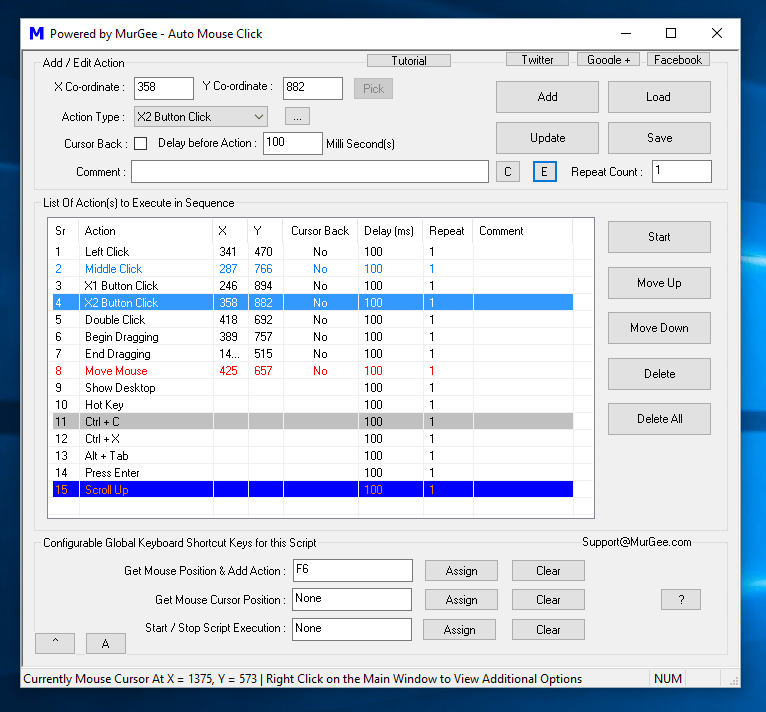
Recording Mouse Clicks and Playing them back without any programming knowledge is made easy with the software presented in this post. Once you have recorded Mouse Clicks with the Recorder, you can edit the recorded Mouse Actions and play them back with Desktop or Keyboard Shortcut. This Mouse Macro Software beats freeware applications and provide you the best professional software for automating mouse actions. In order to complement mouse actions, there are lots of other supported actions supported like pressing keys on keyboard, opening website or applications and much more. The given below screenshot displays the Mouse Macro Editing Screen which displays other supported actions as well.

Mouse Macro Program for Windows

Mouse Macro Program for Windows

This Mouse Macro Program offers Mouse Clicks supported with Keyboard Special keys like Ctrl, Shift and Alt as evident from the screenshot above. The Program has inbuilt tutorials and example macro scripts to get you started within no time. Lots of screenshots, video tutorials and step by step instructions together help you to record and playback your macros easily with minimal efforts.

Mouse Click for Mouse Macro Program

Mouse Click for Mouse Macro Program

The above screenshot displays the screen where you can define parameters for mouse click, whether you want to automate single or double click of mouse cursor or even mouse dragging and dropping, the above simple and easy to use screen lets you customize your macro script as really easy. Fully supported with configurable keyboard shortcuts, this macro program can help you automate everything you need. The Mouse Actions are stored in the macro script along with the screen location co-ordinates and the screen co-ordinates are displayed at the top right corner of the Add and Edit Mouse Action screen as visible in the screenshot above.

Mouse Macro Recorder

Mouse Macro Recorder

The Mouse Macro Recorder is a small popup window which provides keyboard shortcuts to start and stop the recording of the Mouse Macro. This Recorder can only record Left Mouse Clicks, however once you are done with the recording of mouse co-ordinates and delay between them, you can edit the mouse script and change the mouse click type to any other type of mouse click. Although no programming knowledge is required to use this Mouse Macro Program, you still must understand that the Mouse Click Recorder is not intelligent and it will record wherever you click. Once you have stopped the Mouse Click Recording a Macro Editor Window will popup as displayed in the first screenshot which will allow you to save the recorded mouse macro to any location of your choice or even assign a global keyboard shortcut to playback the recorded mouse clicks.

Match Color and Click in Mouse Macro

Match Color and Click in Mouse Macro

You can even add Match Color and Mouse Click actions to the Mouse Macro script with the help of Click at Color Window of the Macro Program. The above screenshot displays the configurable parameters for every Match and Click Action. You can either let the program search entire screen for selected color or you can define a rectangular confined area in which the macro script action will search and click on the color. You can even test the Match Color and Click without adding the action to the script in real time using the Test Mouse Click button provided at the bottom left corner of the Match Color and Click Window as displayed in the screenshot above.

Automate Keyboard and Text Speaking in Macro

Automate Keyboard and Text Speaking in Macro

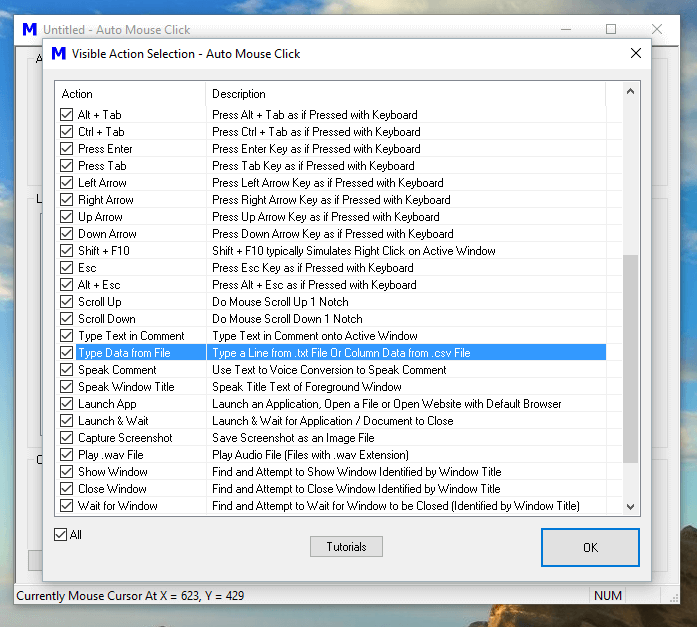
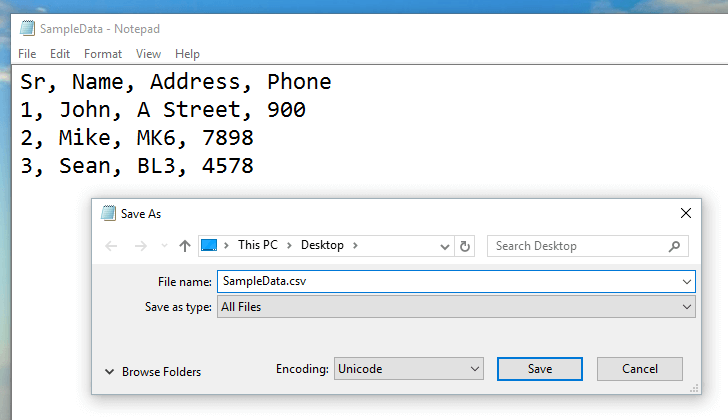
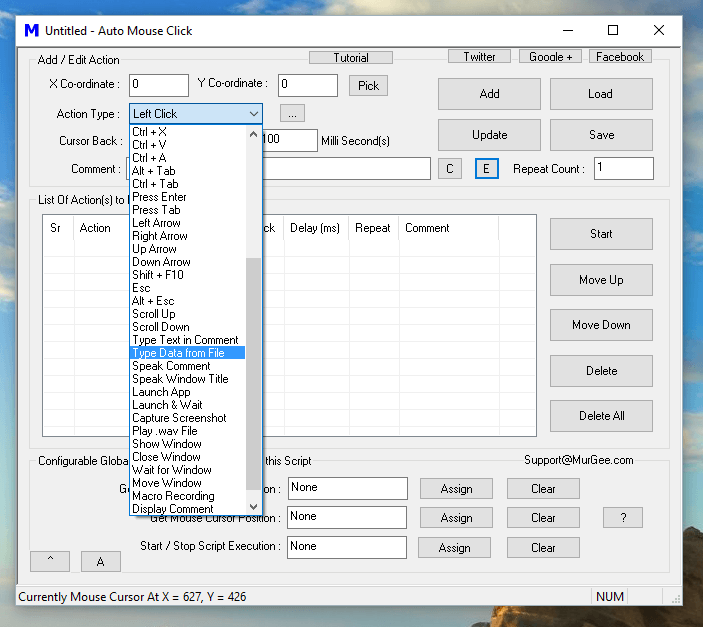
Depending on the task you wish to automate, you may be able to automate everything using Mouse Clicks, however there may be a time when you might require automated text typing in the macro script. The Auto Text Action in the Mouse Macro Script helps you either specify a pre-defined text or text from a text file to be typed onto the keyboard when the macro is run. You can even add Audible Alerts to your Macro Script which are executed at runtime of the macro.

Overall this Mouse Macro Program is easy to learn and use provided you can plan your automated actions in advance. There are lots of supported actions which together give this Macro Program real power of a professional automation software. The Free Trial version of Macro Player is limited by the number of times you can play a script.

Download and try out this powerful and fully supported Mouse Macro Program on your Windows Computer. As Microsoft keeps on releasing new versions of it’s Windows Operating Systems, this Mouse Macro Program has been designed to work on almost all current and future versions of Windows including Windows 9 (or Windows Blue) as they expect, Windows 8, Windows 7, Windows Vista, Windows XP, etc.


Change Background Image of Windows 8

On April 27, 2013, in Windows 8, by admin

Windows 8 provides configurable background images of Windows 8 Start Menu, Lock Screen of Windows 8 and Desktop Background. Changing the background image of Start Menu is limited in Windows 8 to a list of pre-defined images and background colors. However you can specify your own background image for the Lock screen displayed on your Windows 8 computer and for Desktop Background, Windows 8 provides configurable image as well. This post describes how you can change all types of background images in Windows 8 and let’s start by clicking on the Account Name as displayed in the screenshot below.

Change Account Picture Windows 8

Change Account Picture Windows 8

After Clicking on the Account name a menu pops up in which you need to select the option titled Change Account Picture as displayed in the screenshot above. The Change Account Picture screen of Windows 8 will allow you to change the picture displayed for your account and will also provide you the way to change the background image of Lock Screen and for the Windows 8 Start Menu. Have a look at the given below screenshot in which you can configure your Windows 8 Start Menu Colors and change the Background Image. Windows 8 provides background images of Start Menu and all you need to do is click any of the background image to set it as the Background Image of the Windows 8 Start menu.

Change Start Screen of Windows 8

Change Start Screen of Windows 8

Note from the above screenshot that you can even change the color of your Windows 8 Start Menu along with the background image of the Windows 8 Start Menu. Also note that from the the top left corner, you can change the background image of Lock screen as well as displayed in the screenshot below. You can specify your own image file for the Lock screen in Windows 8 by browsing to the desired image file.

Change Lock Screen of Windows 8

Change Lock Screen of Windows 8

There are other configurable options for the Lock Screen of Windows 8 which you can select from the Lock Screen configuration options. Apart from all above you can change the background image of your single or multiple monitor Windows 8 computer. Another post in this blog titled Different Wallpapers for different Monitors displays how you can specify different background images for different monitors or even change the background or desktop image to any image file.


Reduce Hard Disk Size on Windows 8

On April 26, 2013, in Windows 8, by admin

Windows 8 provides easy to use Hard Disk Management Features with which you can easily reduce the size of your Hard Disk, Change Device Letters and do other type of Disk Management. There are multiple ways in which you can launch the Disk Management console in Windows 8 including Control Panel, Windows 8 Quick Menu, Desktop Shortcut, etc. The given below screenshot displays Windows 8 Shortcut Menu to launch the Disk Management Console of Windows 8. Yes you would need Admin Access to your Windows 8 Computer in order to do reduce  the size of Hard Disk.

Launch Disk Management from Windows 8

Launch Disk Management from Windows 8

Once you have launched the Disk Management of Windows 8, everything else is really easy to do. Windows 8 automatically  evaluates the Hard Disk Size available and computes other technical bits and bytes when you instruct it to Shrink the Disk or Drive. This Disk Management Console can also be helpful to format and manage any un-partioned disk partitions or drives. The given below screenshot displays how you can launch the Shrink Disk Size option or you can simply right click on the disk whose size you wish to reduce.

Launch Shrink Drive Action from the Windows 8 Disk Management

Launch Shrink Drive Action from the Windows 8 Disk Management

As you can see from the above screenshot, there are other Actions available for the selected drive apart from shrinking the disk or volume. Other Actions will automatically enable or disable depending on what disk or partition you choose. Make sure that you do understand what you are doing before actually doing any of the hard disk changes. In case you are not sure run Windows 8 on a Virtual Computer and do experiment with it before actually changing your actual Window 8 installation. The given below screenshot displays Windows 8 Disk Management Console querying volume for available shrink space.

Shrink Hard Disk Space on Windows 8

Shrink Hard Disk Space on Windows 8

Time taken for Querying of Volume will depend on our selected drive / partition and once done, a popup window will appear asking you to confirm the number of Mega Bytes by which you wish to shrink the disk size. The popup Window will indicate the Volume Name you are about to shrink / reduce and will also tell you the new size of the selected drive or partition.

Specify Shrinked Hard Disk Size on Windows 8

Specify Shrinked Hard Disk Size on Windows 8

Reducing the size of any Disk or Drive is really easy in Windows 8 and can be helpful when you wish to have separate partitions for separate purpose. With Windows 8, you do not need to pay for any Hard Disk Utility providing you Volume Shrinking Capability and you do not even need to pay a technician when you can do manage your Disks and Drives of Windows 8 all by yourself so easily and quickly.


Windows 8 on Windows 7

On April 26, 2013, in Windows 8, by admin

Yes you can run Windows 8 on a Windows 7 Computer using Virtual Machine Software. Depending on your Hardware configuration, you can choose the amount of Memory you want Windows 8 to have. Running another Operating System inside of a Virtual Machine requires you to have good computer configuration. Whether you wish to run Windows 8 on a Desktop or Laptop running Windows 7, actual hardware configuration matters as the resources of your hardware are going to be shared by both the operating systems.

Windows 8 on Windows 7

Windows 8 on Windows 7

In order to run Windows 8 on your Windows 7 Computer, you can use the best Virtual Machine Software named as Oracle VM VirtualBox. Virtual Computers are often used by software developers to test 3rd party software applications on other operating systems. When running Windows 8 on a Virtual Computer, you have absolute flexibility of selection of multiple hardware configurations. You can have Multiple Virtual Hard Disks, CD / DVD ROM and even Floppy drive.

Single or Multiple Monitors on Virtual Windows 8

Single or Multiple Monitors on Virtual Windows 8

One of the best advantages of running Windows 8 on Virtual Computer is that you can have single or multiple monitors attached to your virtual Windows 8 computer. Separate Popup Windows will open up providing you separate monitor access to your multiple monitors to check the Multiple Monitor features of Windows 8 like taskbar, multiple monitor wallpaper, etc.

Windows 8 32 bit or 64 bit in Virtual PC

Windows 8 32 bit or 64 bit in Virtual PC

The above screenshot displays quick way to create a virtual pc for 32 bit or 64 bit Windows 8 computer. Yes there are other operating systems supported as well and you can run other Microsoft Windows and other Operating Systems as well. All you need to run multiple operating systems (like Windows 8 on Windows 7 as displayed in this blog post) on a single computer is strong enough hardware possibly with maximum possible RAM, Hardware Virtualization Support, Monitor with big resolution, etc.


Shortcut to Command Prompt in Windows 8

On April 9, 2013, in Windows 8, by admin

Windows 8 provides lots of Shortcut ways in which you can launch the Command Prompt. This post outlines few shortcut ways in which you can launch Command Prompt to save you time and efforts. The basic thing you need to remember when dealing with command prompt is the fact that the Command Prompt is just an application and all the shortcut ways you learn in this post can be applied to other applications as well. When learning Shortcut to Command Prompt on Windows 8 in this post, you are learning shortcuts to launch application on Windows 8. Most of the information you learn in this post will be applicable to other application shortcuts as well apart from the given below shortcut way to launch Command Prompt in Windows 8 from Windows Explorer.

Open Command Prompt from Windows 8 File Explorer

Open Command Prompt from Windows 8 File Explorer

The File Menu of Windows 8 Explorer is the quickest way to launch Command Prompt in Windows 8 with current directory set to the active folder in Windows 8 Explorer. The above screenshot displays how you can launch Command Prompt either with your current credentials or as Administrator easily and quickly. There is another related shortcut visible in the File Menu of Windows 8 Explorer titled Open Windows PowerShell, which is another way to do automation and scripting in Windows 8.

Keyboard Shortcut to Open Command Prompt on Windows 8

Keyboard Shortcut to Open Command Prompt on Windows 8

The above screenshot displays a Keyboard Shortcut Assigned to the Desktop Shortcut of Command Prompt. The Keyboard Shortcut assigned to launch Command Prompt is global and works as long as the Shortcut file is present. Another post on this website titled Command Prompt on Windows 8 describes how you can create a Desktop Shortcut to launch Command Prompt on Windows 8.

Pin Command Prompt to Windows 8 Taskbar

Pin Command Prompt to Windows 8 Taskbar

Pinning the Command Prompt Shortcut to the Taskbar of Windows 8 is another quick way to launch Command Prompt. The above screenshot displays how you can pin the Command Prompt program to the taskbar. In order to pin the Command Prompt to taskbar, launch the Command Prompt and right click on the Taskbar Icon and select the menu titled Pin this program to taskbar. Once you have pinned the Command Prompt shortcut to the taskbar, you can easily launch it with a single click and this can be the best shortcut way to launch Command Prompt as and when you need it. The Menu which is displayed in the screenshot above is called as Jump List and is different for different programs / applications.

Command Prompt Shortcut on Windows 8 Start Menu

Command Prompt Shortcut on Windows 8 Start Menu

You can also pin the Shortcut of Command Prompt to the Start Menu of Windows 8. Just right click on the Command Prompt Shortcut and Click on the Menu titled Pin to Start to add the Shortcut to the Start Menu of Windows 8. The above screenshot displays the Command Prompt in Windows 8 Start Menu. Once you have added the Shortcut to the Start Menu, you can drag it in the Windows 8 Start Menu to any location in the Windows 8 Start Menu just like with any other shortcut.

Open Command Prompt as Administrator Automatically

Open Command Prompt as Administrator Automatically

In case you would like your Command Prompt Shortcut to be launched as Administrator automatically, Open Properties of the Command Prompt Shortcut, Navigate to the Shortcut Tab and Click on the button labelled Advanced… as displayed in the screenshot above. In the Advanced Properties screen, check the checkbox labelled as Run as administrator, so that whenever the shortcut is launched to open the Command Prompt, it will always open automatically as Administrator.